Latest News
2027 Chevrolet Equinox Review
The frequency of automotive recalls has been on the rise lately. Is quality actually down? Or are carmakers acting out of caution?
More Recalls, More Often?
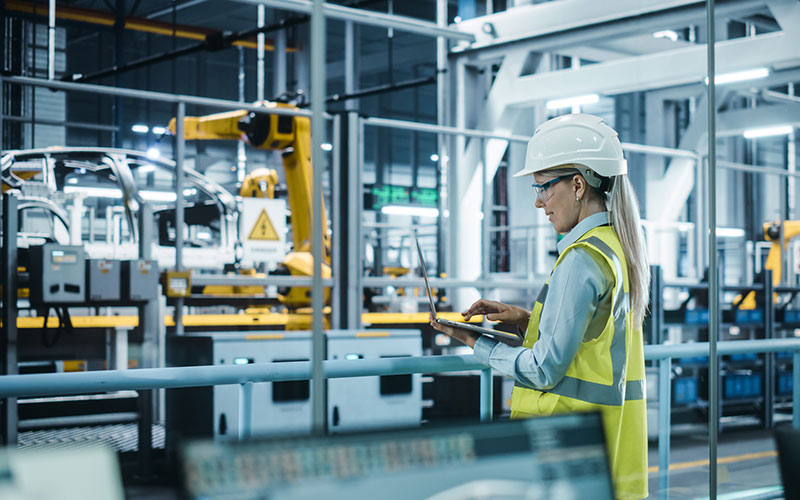
Quality control issues are part and parcel with building complex machines like automobiles. Indeed, a few car companies, like Packard and Lamborghini, were founded in response to the perceived shortcomings of other cars. And while recalls, even large ones, go back to the early days of the car, it feels like the rate and sheer number of recalls have been increasing in recent years.
And in fact, they have been increasing. In 2021, the NHTSA (National Highway Traffic Safety Administration) reported 1,093 recalls affecting around five percent of all cars in the US. Last year’s numbers were not much different at 1,050 recalls for 2022. And with approximately 22,000 recorded by NHTSA over the last 40 years, that represents a serious uptick in recalls.
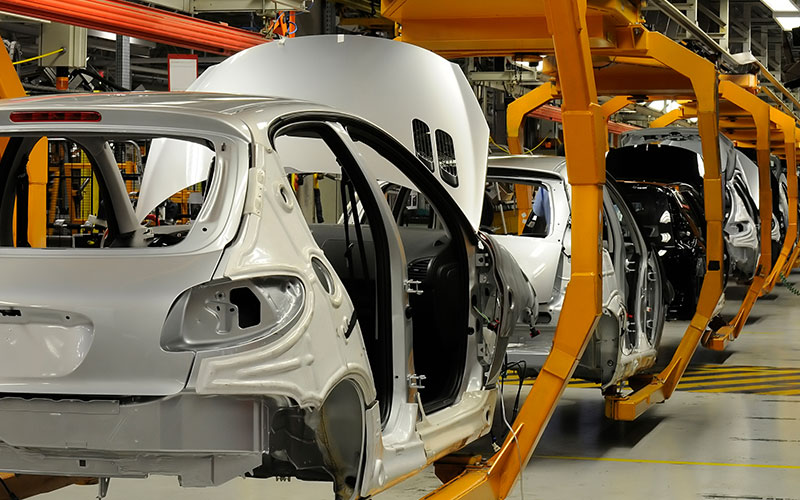
You might be thinking, given the pandemic related supply chain issues, manufacturers have been lax in their quality control to get vehicles to market. While there may be a grain of truth to that theory, the rise in recalls actually dates to around 2014, thereafter averaging a little less than 1,000 per year.
Not all manufacturers are equal offenders, either. In 2022, Ford lead all carmakers with 64 recalls. Hyundai/Kia combined for 45, VW clocked 43, Daimler Trucks North America 40, Chrysler (FCA US division of Stellantis) had 35, Forest River (a collection of RV brands owned by Berkshire Hathaway) had 34.
Below is a roundup of recent recalls from major carmakers, though representative, it is by no means exhaustive.
The Latest Recalls Raise Eyebrows
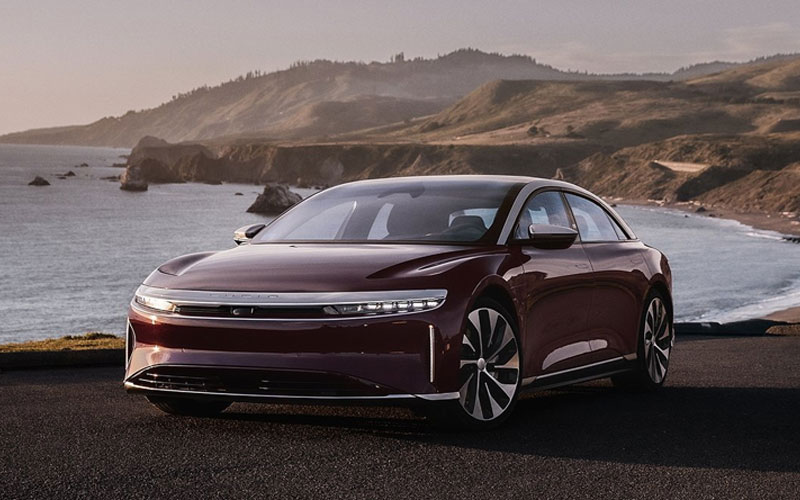
EV (electric vehicle) makers have had a rough go of it lately, whether that is established brands like Tesla or recent startups like Lucid. Making cars is hard, so the saying goes, and venturing into new territory is especially tricky.
Tesla recently recalled just over 362,000 Tesla Model X, Y, 3, and S related to the company’s FSD (Full Self-Driving) system which, along with Tesla’s Autopilot feature, is under investigation by the NHTSA. This is in addition to another NHTSA investigation into two instances where the steering wheels on Tesla Model Ys detached thanks to a defective retaining bolt. Tesla also recalled 35 of its electric semi-trucks due to bad parking brakes.
EV newcomer Lucid recalled 637 of their 2022 and 2023 Lucid Air EVs for a potential sudden loss of power. Lucid says the fix will require replacing the vehicle’s contactor, which controls the flow of electricity between the battery and the motors (among other components).
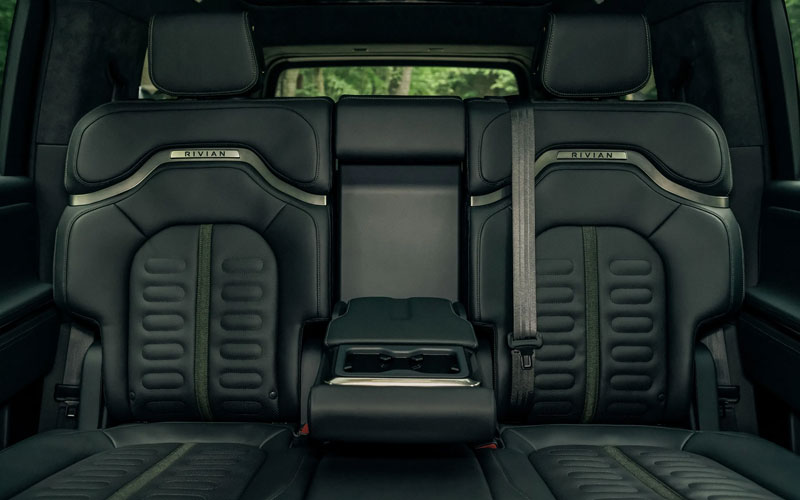
Rivian recalled almost 13,000 R1Ts and R1Ss (their electric truck and SUV respectively) over a faulty seatbelt tensioner that may not activate in a crash. Rivian estimates that only one percent of recalled vehicles are likely affected but recalled all units out of an abundance of caution.
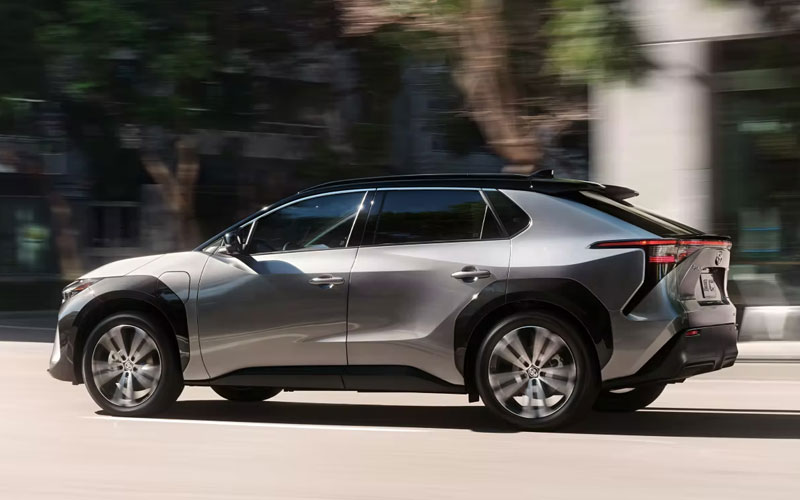
It was not just startup companies having trouble with their EVs, Toyota and Subaru’s joint effort at their first EVs the Toyota BZ4x and Subaru Solterra were off to a rocky start thanks to bad hub bolts that could lead to wheels falling off the vehicle. Last year, Toyota had only shipped 260 BZ4xs before recalling them and delaying the vehicle’s wider release. It took three months for Toyota to iron out a solution. At the time, Subaru had not yet gotten Solterra to dealers and likewise delayed release to fix the issue. More recently, however, Subaru recalled 1,182 2023 Solterra for the same hub bolt problem. It turns out the third-party company tasked with fixing the issue on a specific shipment of Solterra failed to do so.
Plenty of Non-EV Recalls Too
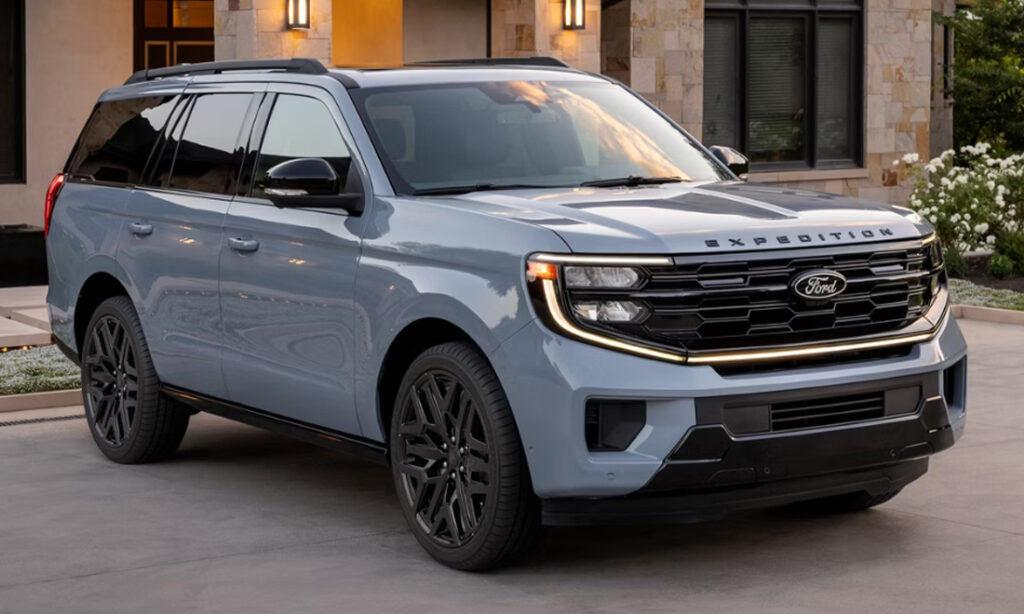
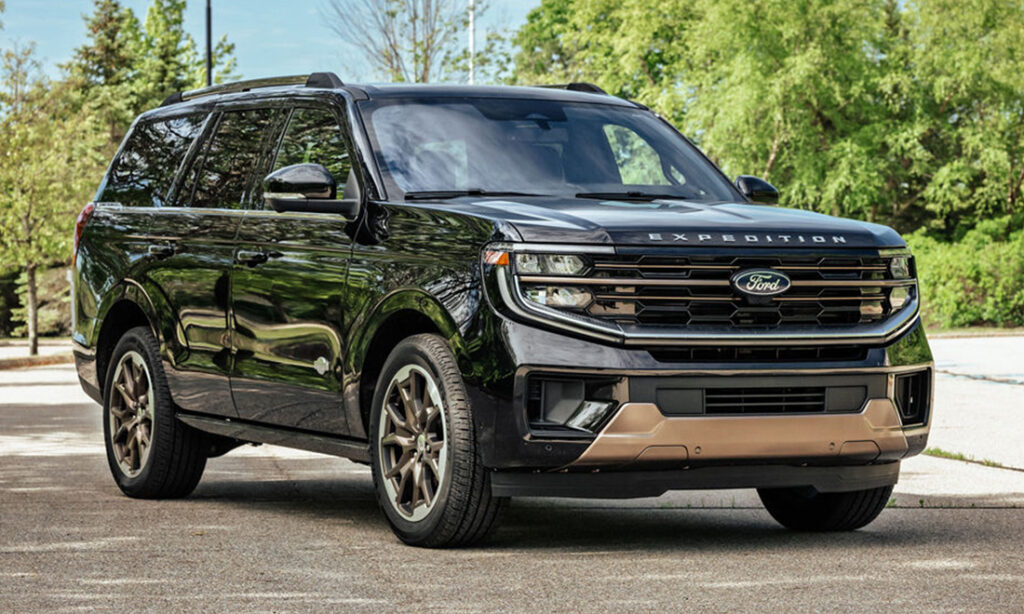
Ford led the way in recalls in 2022, and the trend continues into 2023. CEO Jim Farley says turning around the company’s quality control issues will take time, but they are his “No. 1 priority.”
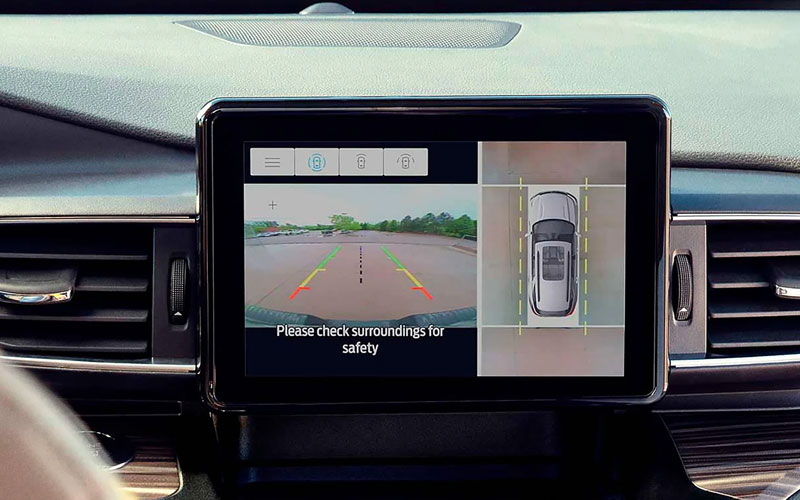
Last month the company recalled 1.3 million Ford Fusions and Lincoln MKZ sedans over wear issues with the front brake lining that could lead to brake failure (letters alerting owners will start going out April 17th). In January, Ford recalled 462,000 2020-2023 Ford Explorers / Lincoln Aviators and 2020-2022 Lincoln Corsairs for faulty rearview cameras (all those vehicles equipped with the 360-degree camera system). Ford too had troubles with its EVs, recalling 18 Ford Lightning electric pickups due to battery fire risk.
Honda recalled over 448,000 2018-2020 Acura RDX, Honda Accord, Accord Hybrid, CR-V, Insight, and Odyssey for faulty seat belt latches (letters go out April 17th). The company also issued a Stop Sell order on their new Civic Type R for a bad weld on the driver’s seat frame. A full recall is slated for mid-May when Honda says they will have repair parts available. The long-running Takata airbag saga continued when Honda recently sent out a “Do Not Drive” warning for 82,000 vehicles they say were recalled but never fixed. These included 2001-2003 Honda Civics and Accords, 2002 Honda Odysseys, CR-V, Pilots, 2002-2003 Acura 3.2 TL, and 2003 Acura 3.2 CL.
Hyundai/Kia recalled their 2020-2022 Hyundai Palisades (245,030) and Kia Tellurides (36,417) for fire risk related to possible short circuiting in the tow-hitch wire harness, telling owners to park their vehicles outside.
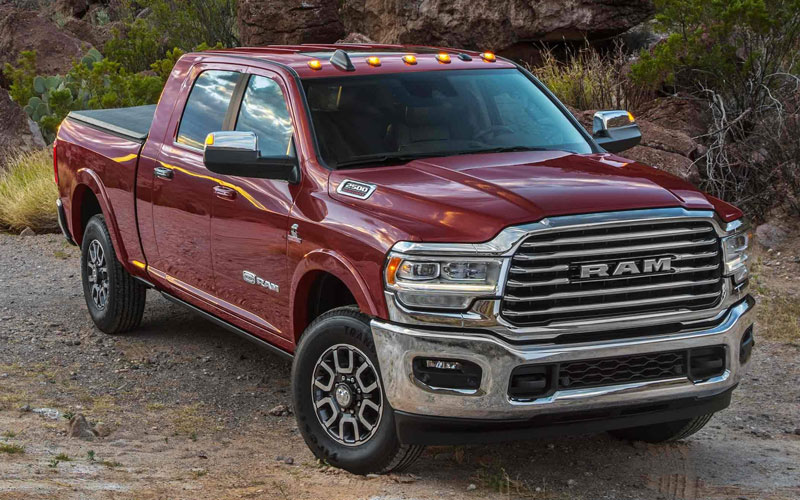
Stellantis issued a few major recalls as well recently. RAM called back 306,165 of their heavy-duty pickups, 2021-2023 2500, 3500, and HD chassis with the 6.7L Cummins diesel for fire risk related to a potentially faulty electric relay. Jeep recalled all 2021-23 Jeep 4xe hybrids (62,909) for possible sudden loss of power.
In February, Nissan issued a recall for 809,000 Nissan Rogue (2014-2020) and Rogue Sport (2017-2022) as the jackknife keys can unfold themselves while in the ignition and fall out, causing the vehicle to turn off.
Not All Coincidence
We can look at automotive recalls in two ways, neither mutually exclusive. First, it is possible car companies have become increasingly lax in their quality control, with the pandemic related supply chain issues exacerbating those challenges. Or, companies are becoming more cautious, issuing recalls on problems they might have ignored or delayed addressing in prior decades.
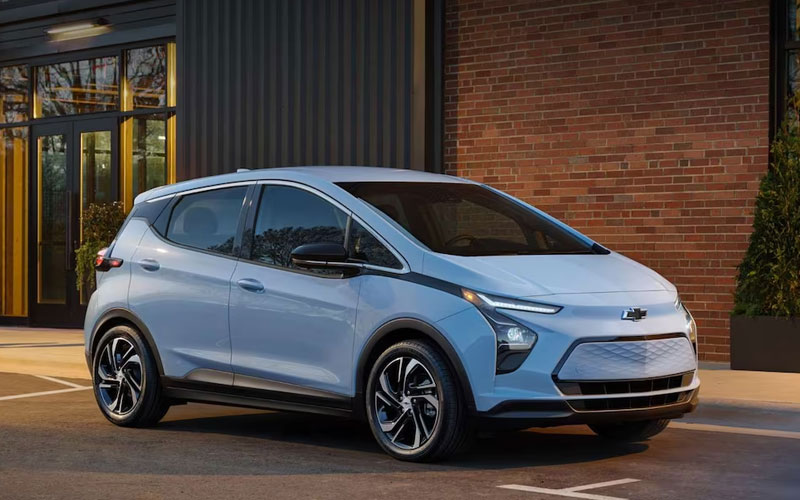
Quality control issues are a major headache for carmakers. Fixing problems is often prohibitively expensive (it cost GM $2 billion to recall all their Chevrolet Bolt EVs for battery fire risk, a cost they were able to largely pass along to the battery maker LG). Fielding lawsuits for dangerous, unaddressed defects can also be costly. And finally, reputational hits from recalls negatively affect both sales and share price.
Researchers have found that recalls often come in clusters. Companies will issue recalls in short succession, with the first issuant taking the biggest hit to its stock valuation. Those companies with the strongest reputations for quality, like Toyota, take a disproportionately large hit to their share prices. They also tend to spark the largest spate of subsequent recall announcements from other carmakers.
The NHTSA says only around 60-70 percent of recalled vehicles are ever actually fixed. This is troubling when you consider the nature of many recalls are major safety concerns and those yet-to-be-fixed vehicles are still on the road and on the secondary market. This is why it is important for car owners to periodically check for any recalls on their vehicles and on any vehicles they are considering purchasing.